 English
 Français
 Español
 Deutsch
 Italiano
 العربية



Tél
:+86-755-86961139
E-mail
:sales@vivo-light.com
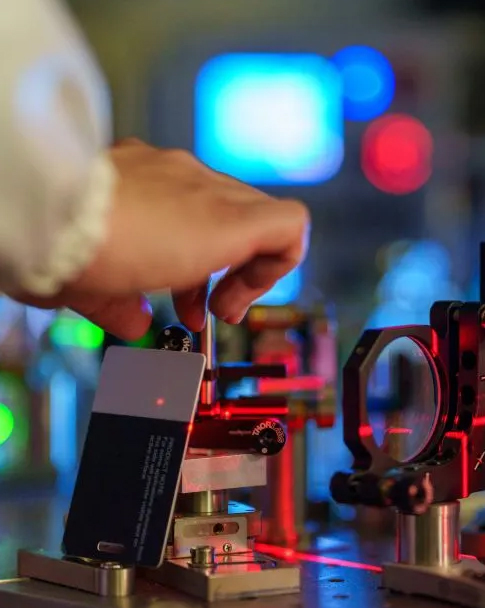

Lors de la sélection d'un détecteur de veines par projectionVotre priorité doit toujours être les fonctionnalités qui contribuent directement à la réussite clinique. Les études cliniques démontrent systématiquement que les appareils dotés d'une image d'une grande netteté et d'un affichage de profondeur avancé améliorent significativement le taux de réussite des ponctions veineuses dès la première tentative.
Les méthodes de ponction « à l’aveugle » traditionnelles sont souvent insuffisantes dans les environnements cliniques complexes, tandis que la technologie moderne d’imagerie vasculaire offre un bond en avant considérable en termes de performances :
Méthode | Taux de réussite à la première tentative | Temps moyen par IV (min) | Satisfaction des patients |
Recherche de veines assistée | 83 % - 88 % | 4,75 - 6,6 min | Élevé (4,07-4,19) |
Méthodes traditionnelles | 28 % - 31 % | 15:09 - 17:06 min | Inférieur (1,85-1,89) |
Source des données : Journal of Clinical Nursing / Medical Forums, cohortes de contrôle clinique standard
Pour améliorer à la fois la prise en charge des patients et l'efficacité des flux de travail, les professionnels de la santé devraient privilégier une évaluation équilibrée des besoins cliniques, des spécifications techniques et des normes de conformité.
Un appareil de localisation des veines fiable doit s'adapter parfaitement à vos principaux groupes de patients :
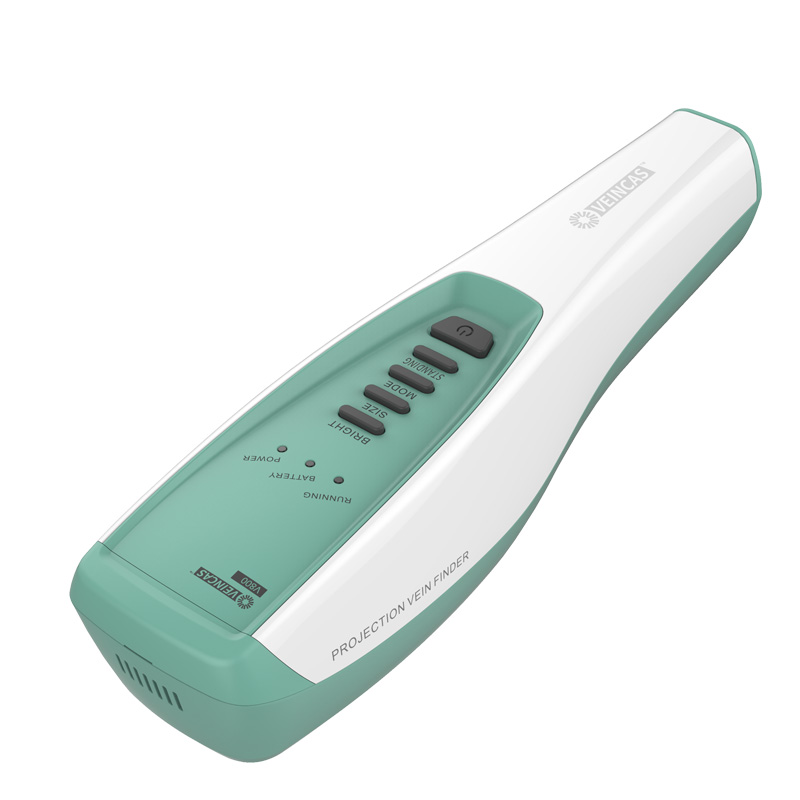
Dans les services d'urgence ou de soins intensifs, où le rythme est soutenu, des solutions immédiates et portables sont essentielles. Cependant, les praticiens sont souvent confrontés à des perturbations opérationnelles, telles que la pollution lumineuse ou la pilosité chez les patients masculins.
Pour résoudre ce problème, des fournisseurs de matériel médical de pointe comme Vivolight intègrent des filtres numériques spécialisés à leurs systèmes. Ces modes éliminent par algorithme les artefacts liés aux poils et optimisent la cartographie de surface, minimisant ainsi les échecs de ponction dans les environnements difficiles.
La valeur fondamentale de la technologie de détection des veines repose entièrement sur la précision de sa projection et sa réactivité en temps réel.
[Pénétration de la lumière infrarouge] ➔ [Absorption de l'hémoglobine] ➔ [Cartographie numérique en temps réel]
Les appareils haut de gamme offrent une résolution de projection de 1280 × 720 HD, garantissant une surface cutanée reconstruite avec une marge d'erreur inférieure à 0,25 mm. Cette précision absolue permet aux cliniciens de distinguer avec certitude les veines viables des tissus environnants.
[Source : International Journal of Medical Robotics and Computer Assisted Surgery]
En milieu clinique moderne, on utilise des technologies d'imagerie distinctes en fonction de la profondeur du réseau vasculaire cible :
[Source : Recommandations cliniques de l'Association for Vascular Access (AVA), Journal of Clinical Nursing, étude de cohorte multiethnique, recommandations de la Société européenne d'anesthésiologie (ESA)]
Le personnel médical se déplace régulièrement entre les chambres des patients, les consultations externes et les postes de soins au chevet du patient. Par conséquent, le poids du dispositif et sa compatibilité de fixation influent directement sur la fatigue physique quotidienne.
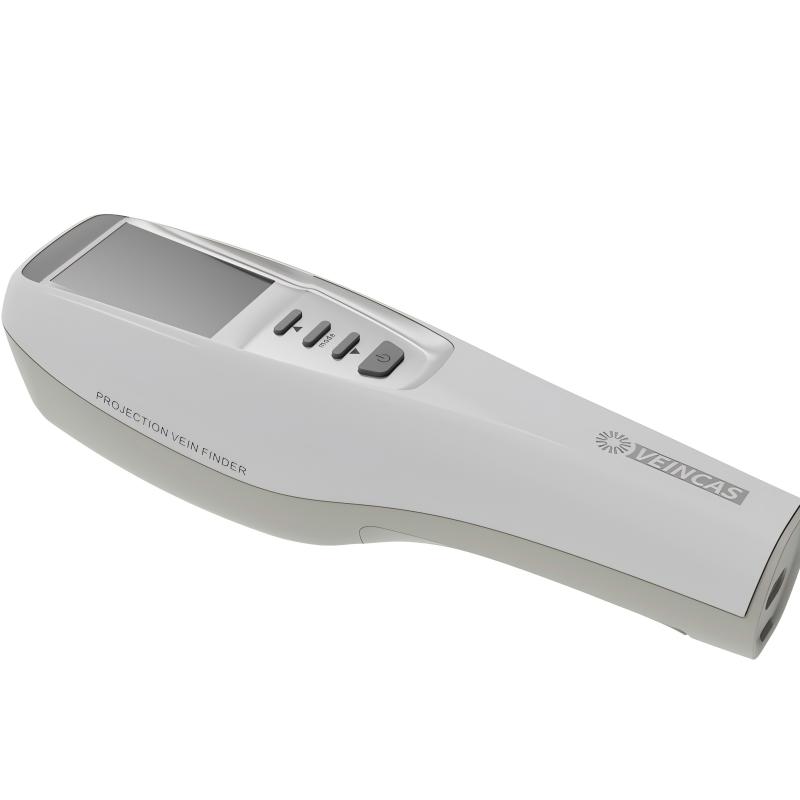
Pour éliminer le risque de contamination croisée entre patients, des protocoles d'hygiène stricts doivent être applicables :
[Source : Directives de gestion des actifs en génie biomédical, Directives du CDC pour le contrôle des infections environnementales, Protocoles de sécurité des patients de l'Organisation mondiale de la santé (OMS), Normes de maintenance des dispositifs médicaux de l'AAMI]
Ne jamais transiger sur les normes réglementaires. Les établissements médicaux doivent vérifier que leurs fournisseurs détiennent l'autorisation de la FDA et le marquage CE (conformément au règlement européen relatif aux dispositifs médicaux). Ces certifications attestent que le dispositif a subi avec succès des tests rigoureux de compatibilité électromagnétique (CEM) et des évaluations cliniques de sécurité. Demandez systématiquement la documentation officielle de conformité directement sur le portail du fabricant.
Bien que les modèles de base présentent un coût initial plus faible, les systèmes professionnels, dont le prix varie de 4 500 $ à 8 000 $ US, offrent un retour sur investissement clinique supérieur à long terme. Un matériel haut de gamme permet de réaliser d'importantes économies en réduisant considérablement la consommation de fournitures intraveineuses, en limitant les complications et en optimisant le débit. Privilégiez les systèmes bénéficiant de garanties constructeur complètes (couvrant les pièces et le remplacement des batteries) ainsi que d'une assistance technique fiable et réactive.
[Source : Règlement (UE) 2017/745 relatif aux dispositifs médicaux (RDM), normes scientifiques réglementaires du CDRH de la FDA, Journal of Medical Economics, rapports d'évaluation de la Healthcare Financial Management Association (HFMA)]
Avant de finaliser votre achat auprès de Vivolight (www.vivolight.com) ou tout fournisseur de matériel médical certifié, assurez-vous que l'équipement répond à tous les critères de cette liste de contrôle clinique :
[Source : Directives d'approvisionnement médical de l'ECRI Institute, Organisation internationale de normalisation (ISO)]
Q : Comment fonctionne un détecteur de veines à projection infrarouge ?
R : L'appareil émet une lumière proche infrarouge sans danger sur la peau. L'hémoglobine sous-cutanée absorbe cette lumière, créant ainsi une carte de contraste distincte. Le système capture instantanément ces données et projette une carte vasculaire nette et en temps réel directement sur la peau du patient. Pour en savoir plus sur le fonctionnement précis du système optique, consultez [lien manquant]. www.vivolight.com.
Q : La projection infrarouge est-elle efficace sur les tissus profonds ou sur une peau fortement tatouée ?
A: La technologie infrarouge excelle dans la cartographie des veines périphériques superficielles et moyennes, quelle que soit la pigmentation naturelle de la peau. Cependant, pour les vaisseaux structuraux exceptionnellement profonds ou les zones recouvertes d'encres de tatouage foncées et épaisses qui absorbent complètement la lumière infrarouge, les praticiens associent souvent la détection infrarouge à l'échographie pour une visualisation complémentaire.
Q : Quelle est la courbe d'apprentissage moyenne pour le personnel médical ?
A: Les appareils modernes sont dotés d'interfaces très intuitives, souvent activées par un seul bouton ou grâce à de simples écrans tactiles. D'après les données d'un forum de simulation en soins infirmiers, les compétences de base et la confiance opérationnelle peuvent être pleinement acquises en moins d'une heure de formation pratique.
Clause de non-responsabilité: Le contenu de cet article est fourni à des fins de partage de connaissances et d'information uniquement. Il ne constitue ni une publicité, ni une recommandation de produit, ni un avis médical.
Laisser un message
Numériser vers WhatsApp :


 IPv6 RÉSEAU PRIS EN CHARGE